
When Is the Best Time to Install or Refinish Hardwood Floors? (And Why Most Contractors Won't Tell You the Truth)
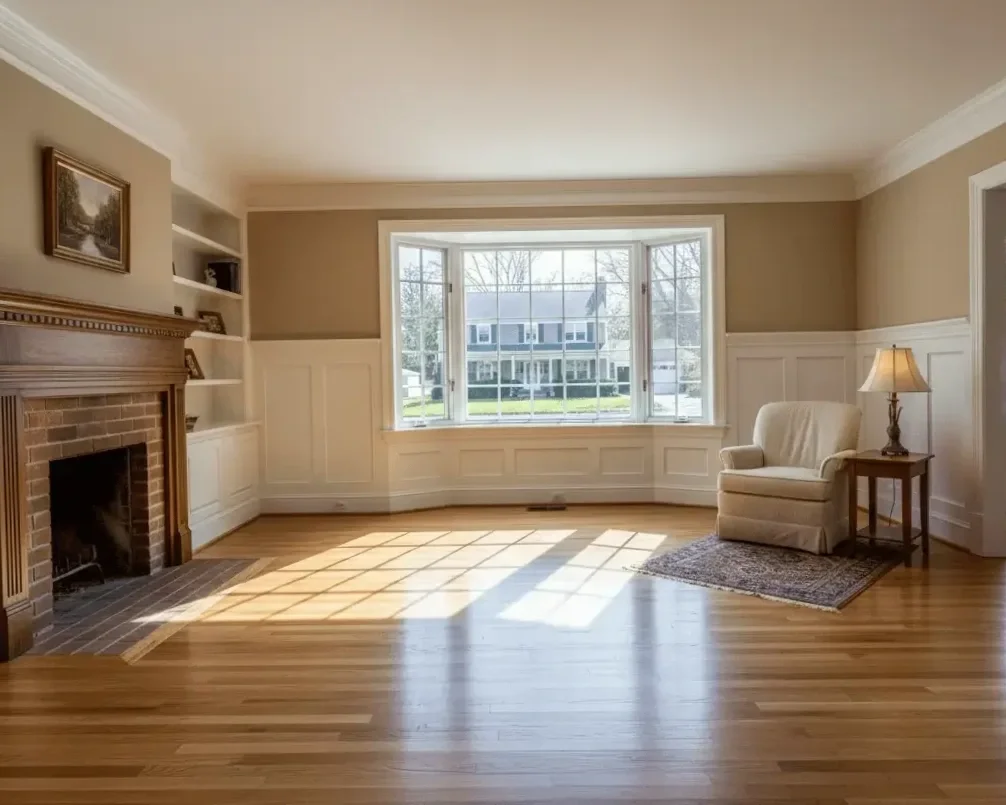
Ask ten hardwood flooring contractors when's the best time to install or refinish floors, and nine will tell you "whenever works for your schedule." They're not wrong—modern HVAC systems and professional techniques allow quality installations year-round—but they're not giving you the full picture.
The truth is that timing affects cost, installation quality, long-term performance, and how quickly your project gets completed. Some seasons are objectively better than others for hardwood work, and understanding why helps you make smarter decisions about when to schedule your project.
After 20+ years installing and refinishing hardwood floors throughout Pennsylvania and New Jersey, we've seen how seasonal conditions impact every aspect of flooring work. Here's what you need to know before you book your project.
Why Season Matters for Hardwood Flooring
Wood is a natural, hygroscopic material that constantly exchanges moisture with its environment. It swells when humidity is high and contracts when humidity is low. This movement is normal and expected, but the rate and degree of movement varies significantly with seasonal conditions.
When hardwood is installed or refinished, the goal is to do the work when the wood is at its average moisture content for your home's typical conditions. Install when moisture content is too high, and the wood will shrink and gap when winter heating dries it out. Install when it's too low, and the wood will swell and potentially buckle when summer humidity arrives.
Beyond moisture considerations, temperature affects finish curing times, worksite conditions impact installation efficiency, and seasonal demand determines pricing and contractor availability.
Spring (March - May): The Sweet Spot
Spring is the ideal season for hardwood installation and refinishing throughout Pennsylvania and New Jersey. Here's why:
Moderate humidity levels: Spring humidity typically ranges from 35-55% in the Mid-Atlantic region. This is close to the year-round average, which means wood installed in spring experiences minimal seasonal movement after installation. Gaps that appear in winter and swelling that occurs in summer are both minimized when installation happens at moderate humidity.
Stable temperatures: Daytime temps in the 60s and 70s allow finishes to cure at optimal rates. Polyurethane and oil-based finishes cure more consistently at moderate temperatures, resulting in harder, more durable surfaces. Water-based finishes also perform better when temperatures aren't extreme.
Ideal working conditions: Contractors can open windows for ventilation without worrying about freezing temperatures or excessive heat. Finish odors dissipate faster with natural airflow, and dust containment systems work more effectively.
Comfortable for homeowners: If you're living in the house during the work, spring temperatures mean you can ventilate rooms without making your home uncomfortable. You're not choosing between finish fumes and freezing temps or sweltering heat.
Predictable scheduling: Weather is generally mild, so material deliveries and work schedules aren't disrupted by snowstorms or extreme heat. Projects stay on timeline without weather delays.
The downside? Spring is peak season for home renovations, which means contractor calendars fill up fast. If you want April or May installation, book in January or February. Waiting until March often means pushing into June for availability.
Summer (June - August): Workable But Requires Adjustments
Summer installations are common and can produce excellent results, but high humidity and heat create challenges that require professional expertise to manage properly.
High humidity affects wood stability: Pennsylvania and New Jersey summers often see 60-80% relative humidity. Wood absorbs this moisture and expands. If hardwood is installed during peak summer humidity, it will contract when winter heating dries the air—potentially creating gaps between planks by January.
Experienced contractors account for this by allowing extra acclimation time (7-14 days instead of 3-5 days) and sometimes installing planks slightly tighter than normal, anticipating winter shrinkage. But this requires knowing your home's typical winter conditions and calculating expected movement—something not all contractors do properly.
Extended drying times: High humidity slows polyurethane curing. What takes 3-4 hours to dry in spring might take 6-8 hours in August. This extends project timelines because you can't apply subsequent coats or allow foot traffic until each layer is fully cured.
Water-based finishes handle humidity better than oil-based, which is why many contractors switch to water-based products in summer. But if you specifically want oil-based for its warmth and durability, summer installations may require extra days to allow proper curing.
Heat and working conditions: Temperatures above 85°F make physical labor exhausting and can affect finish application. Polyurethane becomes thinner in heat, which can lead to application issues if the contractor isn't adjusting technique. Some finishes have maximum application temperatures (usually 90-95°F), and we've had to pause projects during heat waves to avoid finish failures.
Indoor comfort during the work: If you're living in the house, summer installations mean keeping windows closed and AC running during finish application to control temperature and humidity. This traps odors inside longer than spring or fall installations where natural ventilation works better.
The advantage of summer? Contractor availability is often better in late June and July (before the fall rush starts), and if your home has good climate control, summer installations work fine with proper planning.
Fall (September - November): Second-Best Season
Fall conditions in Pennsylvania and New Jersey mirror spring: moderate temperatures, stable humidity, and comfortable working conditions. It's the second-best season for hardwood work, with a few unique considerations.
Similar benefits to spring: Humidity levels return to the 35-55% range after summer moisture dissipates. Temperatures are moderate, finishes cure consistently, and wood movement after installation is minimal.
Preparing for holiday gatherings: Many homeowners schedule fall floor work to have fresh floors ready for Thanksgiving and holiday entertaining. This creates a minor rush in September and October, so booking in July or August is advisable.
Shorter days affect scheduling: By November, daylight hours are limited. Contractors working on natural light may have shorter workdays, which can extend project timelines slightly. This matters less for refinishing (which is often done with artificial light anyway) but can affect new installations where contractors are reading wood grain and matching patterns.
Leaf and debris season: Fall means leaves, acorns, and outdoor debris that gets tracked indoors. This isn't a deal-breaker but requires extra attention to entry mats and site cleanliness during the installation.
The main advantage of fall? It's slightly less busy than spring, so you might get better availability and potentially better pricing in September and early October before the holiday rush hits.
Winter (December - February): Challenging But Possible
Winter hardwood installations are the most challenging season, but they're done successfully every day by contractors who understand how to manage extreme conditions. The key is proper environmental controls and realistic expectations.
Extremely low humidity: Forced-air heating drives indoor humidity down to 15-25% in most Pennsylvania and New Jersey homes. This is well below the ideal range for hardwood (30-50% RH), which means wood contracts significantly. If hardwood is installed in these dry conditions, it will expand when spring and summer humidity returns—potentially causing buckling if the contractor doesn't leave adequate expansion gaps.
Professional installations in winter require measuring subfloor and material moisture content before starting, using humidifiers to raise indoor humidity to at least 30% during acclimation and installation, and calculating expansion gaps based on expected summer swelling.
Homeowners who don't maintain proper humidity levels during and after installation often experience problems. The contractor can control conditions during the work, but if you turn off humidifiers after they leave, the floor will suffer.
Cold affects finish curing: Polyurethane cures chemically, and that chemical reaction slows dramatically in cold temperatures. If your home is kept at 60°F to save on heating, finishes may take twice as long to cure. We require homes to maintain 65°F minimum during hardwood work and for 72 hours after final coat application.
Oil-based finishes are particularly sensitive to cold—they can fail to cure properly if temperatures drop below 55°F. Water-based finishes handle cold slightly better but still require adequate warmth for proper film formation.
Weather delays and material delivery: Snowstorms and ice can delay material deliveries and prevent contractors from accessing job sites. What should be a 5-day project might stretch to 7-10 days if weather disrupts the schedule. This isn't a reflection on the contractor—it's reality in the Mid-Atlantic winter.
Ventilation challenges: You can't open windows for ventilation when it's 20°F outside. This means finish odors linger longer, and proper ventilation requires running exhaust fans or temporarily moving to another part of the house. For oil-based finishes with strong odors, this can be uncomfortable.
The advantages of winter? Contractor availability is often best in January and February (the slowest months), and pricing may be slightly more competitive as companies try to fill calendars. If you have proper HVAC controls, maintain consistent temperature and humidity, and can tolerate longer cure times, winter installations can work fine.
Winter is the most challenging season for hardwood installation in Pennsylvania — not just for scheduling but for what it does to the wood itself. Here's a full breakdown of how winter weather damages hardwood floors and what you can do about it.
Special Considerations for Refinishing vs. New Installation
The seasonal factors above apply to both refinishing and new installation, but there are some differences:
Refinishing is less weather-dependent: Since you're working with wood that's already acclimated to your home, seasonal humidity changes matter less. The main concern is finish curing, which is affected by temperature and humidity but doesn't involve new wood movement.
New installation requires more acclimation time: Hardwood that's been sitting in a warehouse or truck needs 3-14 days to acclimate to your home's conditions before installation. The greater the difference between storage conditions and your home, the longer acclimation takes. Summer and winter installations often require extended acclimation compared to spring and fall.
Species selection directly affects how your floor handles Pennsylvania's seasonal humidity swings. Exotic species in particular require specific timing and extended acclimation — here's the full picture on exotic vs domestic hardwood stability in PA homes.
Refinishing can be done year-round more easily: If your home has good climate control (consistent 65-70°F and 35-50% humidity), refinishing works well any season. The existing floor is already stable, and you're only dealing with finish application.
How to Schedule Your Hardwood Project
If you have flexibility on timing, here's our recommendation based on 20+ years of experience:
First choice: April, May, September, or October. These months offer ideal conditions, and if you book 6-8 weeks in advance, you can usually secure your preferred dates.
Second choice: March or November. Conditions are generally good, though you might encounter occasional weather delays in March or shorter workdays in November.
Third choice: June or July. Summer humidity requires extra acclimation and extended cure times, but with proper planning, results are excellent.
Last choice: December, January, or February. Winter work is fine if your home has excellent climate control and you're willing to manage humidity levels. Expect longer cure times and potential weather delays.
If you don't have flexibility—for example, you're selling your house and need floors done before listing—then the season doesn't matter as much. A skilled contractor can produce quality work year-round by adjusting techniques, acclimation times, and finish schedules to compensate for seasonal challenges.
New hardwood installation triggers a decision most homeowners don't anticipate — whether to replace baseboards at the same time. Here's why homeowner need new baseboards when installing hardwood and why the timing matters.
Questions to Ask Your Contractor About Seasonal Installation
Not all contractors account for seasonal conditions properly. Here's what to ask before booking:
"How long do you acclimate materials before installation?" The answer should vary by season—longer in summer and winter, shorter in spring and fall. If they say "a few days" regardless of season, they're not adjusting for conditions.
"What humidity levels do you require during installation?" For winter work especially, they should specify 30-40% minimum RH and may require you to run humidifiers. If they say it doesn't matter, find someone else.
"How does season affect your finish schedule?" They should explain that summer installations need longer cure times and winter requires warmer temps. If they claim one finish schedule works year-round, they're either using fast-cure commercial products or cutting corners.
"Do you measure moisture content before installation?" The answer should be yes, always. Reputable contractors use moisture meters on both subfloor and hardwood materials before starting work.
Kitchen installations require specific moisture planning that other rooms don't. Here's the full homeowner's guide to kitchen hardwood and why water is your floor's number one enemy.
Our Approach to Seasonal Installation
At Cyclone Hardwood Floors, we adjust our process based on seasonal conditions:
Spring and fall: Standard acclimation (3-5 days), normal finish schedules, and predictable timelines.
Summer: Extended acclimation (7-10 days), water-based finishes when appropriate, longer cure times between coats, dehumidifiers if indoor humidity exceeds 60%.
Winter: Moisture content testing on all materials, humidifiers required to maintain 30%+ RH, extended cure times, and we won't start work if the home can't maintain 65°F consistently.
We're upfront about seasonal challenges and realistic about timelines. If conditions aren't right, we'll tell you—even if it means delaying the project. Our reputation depends on quality installations that perform well for decades, not rushing jobs to hit arbitrary deadlines.
The Bottom Line on Timing
The best time to install or refinish hardwood floors in Pennsylvania and New Jersey is spring (March-May) or fall (September-November) when conditions are most favorable for quality work and long-term performance.
Summer works well with proper planning and extended timelines. Winter is fine if your home has excellent climate control and you're willing to manage humidity.
But here's the real answer: The best time is when it works for your life and your contractor can commit to doing it right.
A skilled contractor can produce excellent results in any season by adjusting for conditions. An inexperienced contractor will create problems even in ideal spring weather. Choose your contractor based on their knowledge, experience, and willingness to adapt their process to seasonal realities—not just on who has availability tomorrow.
Planning a hardwood installation or refinishing project?Contact Cyclone Hardwood Floors for a free consultation. We'll discuss timing, seasonal considerations for your specific project, and help you schedule work for optimal results.
