
How Winter Weather Damages Hardwood Floors (And What You Can Do About It)
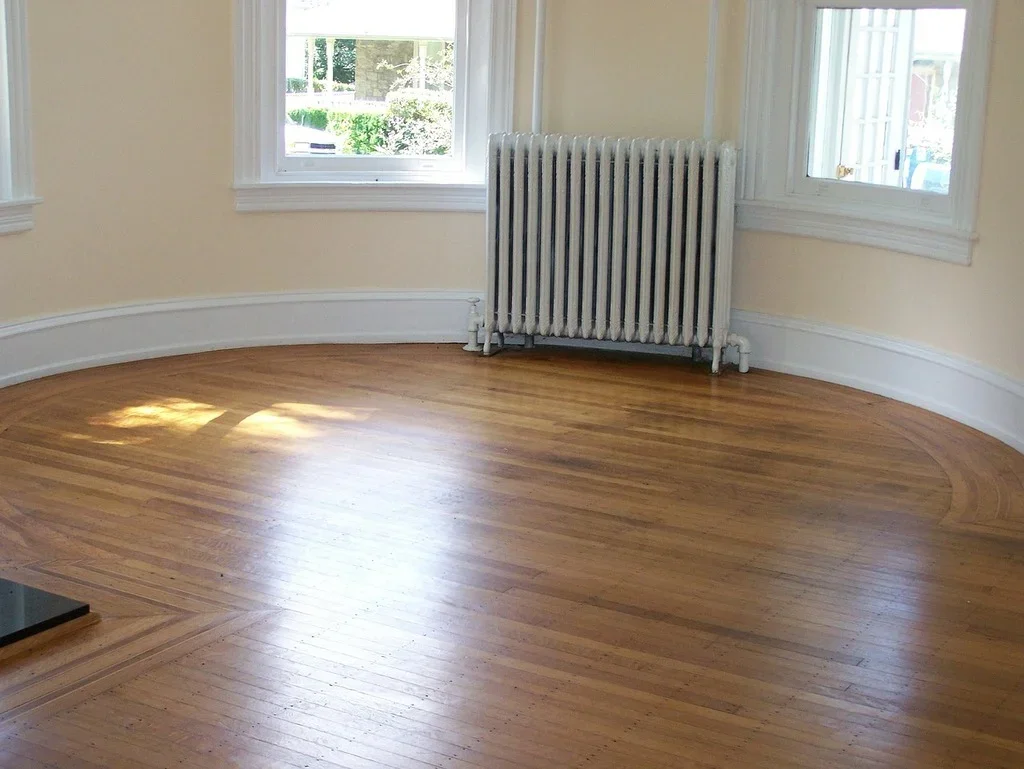
February in Pennsylvania and New Jersey brings freezing temperatures, forced-air heating running constantly, and wet conditions from snow and ice melt tracked indoors. If you have hardwood floors, this combination creates the perfect storm for damage that accumulates throughout the winter season.
Understanding how cold weather affects hardwood—and what you can do to minimize that damage—can save you thousands of dollars in repair costs and extend the life of your floors by years.
Why Hardwood Floors Struggle in Winter
Wood is a hygroscopic material, meaning it absorbs and releases moisture based on the surrounding environment. In summer, humidity causes wood to swell. In winter, dry indoor air causes wood to contract. This seasonal movement is natural and expected, but the extreme conditions of Pennsylvania and New Jersey winters accelerate wear in ways that surprise most homeowners.
Species selection is the upstream decision that determines how your floor handles seasonal stress — here's the full contractor breakdown on exotic vs domestic hardwood stability in Pennsylvania homes.
Low Humidity and Gap Formation
When outdoor temperatures drop below freezing and you run forced-air heating to keep your home comfortable, indoor relative humidity often falls to 15-25%. Hardwood floors perform best at 30-50% relative humidity. Below that threshold, the wood releases moisture and contracts.
This contraction causes gaps to appear between planks. In most cases, these are seasonal gaps that will close when humidity returns in spring. But repeated winter shrinkage over many years can cause planks to lose their structural integrity along the tongue-and-groove joints. Eventually, those gaps stop closing completely, and you're left with permanent separation that requires professional repair.
The drying effect is particularly severe near exterior walls, heating vents, and fireplaces where temperature differentials are greatest. You'll often see wider gaps in these areas compared to interior sections of the floor.
Road Salt and Ice Melt Damage
Rock salt (sodium chloride), calcium chloride, and magnesium chloride are the most common ice melts used on driveways, sidewalks, and roads throughout the region. These chemicals are highly effective at melting ice, but they're corrosive to hardwood floor finishes.
When tracked indoors on boots and shoes, salt crystals dissolve into the moisture on your floors and create a caustic solution. This solution etches polyurethane and oil-based finishes, leaving dull white spots and hazy areas that don't buff out. Over time, repeated exposure breaks down the protective finish entirely, exposing raw wood to moisture and staining.
Salt residue also acts as an abrasive. As people walk across floors with salt crystals embedded in the finish, it's similar to walking on sandpaper—microscopic scratches accumulate with every step, dulling the floor's appearance and compromising the protective layer.
Wet Boots and Standing Water
Snow and ice melt tracked indoors creates standing water on hardwood floors. If wiped up immediately, the damage is minimal. But water left to sit—even for 15-20 minutes—can penetrate between planks, under area rugs, and into the wood itself.
Hardwood floors are finished on the top surface, but the edges and undersides are often unfinished or less protected. Water that seeps between planks soaks into these vulnerable areas, causing localized swelling, cupping, and eventually black water stains or mold growth if the moisture isn't dried completely.
Entryways, mudrooms, and high-traffic areas near exterior doors see the most water exposure. These sections often show cupping or edge swelling by late winter, particularly if water has been repeatedly tracked in and not cleaned up promptly.
Freeze-Thaw Cycling and Structural Movement
Homes without consistent heating—vacation properties, foreclosures, homes in transition—experience freeze-thaw cycling where interior temperatures fluctuate dramatically. This causes hardwood to expand and contract rapidly, stressing the wood fibers and causing splits, checks, and delamination in engineered flooring.
Even in occupied homes, cold drafts from poorly insulated windows and doors create temperature gradients across the floor. Sections near exterior walls may be 10-15 degrees colder than interior areas, causing uneven expansion and contraction that leads to warping or buckling over time.
Signs Your Hardwood Floors Have Winter Damage
Most winter damage isn't immediately obvious. By the time you notice the problem, it's often progressed beyond simple maintenance. Here's what to look for:
Widening gaps between planks: Normal seasonal gaps are 1/16" or less and appear uniformly across the floor. Gaps wider than a dime's thickness, or gaps that vary dramatically in width, indicate excessive moisture loss or structural issues.
White haze or dull spots: Salt residue leaves a cloudy appearance that doesn't improve with regular cleaning. If you see white streaks or hazy areas near entryways, salt has likely etched the finish.
Cupping along plank edges: When the edges of planks are higher than the center, creating a concave surface, it indicates moisture absorption from below or between planks. This often happens near entry doors where water is tracked in.
Scratches that weren't there in fall: Winter brings sand, salt, and grit that acts as an abrasive. If your floors look significantly more scratched by March than they did in November, abrasive particles are being tracked in and grinding into the finish.
Dark water stains: Black or gray staining between planks or along edges means water has penetrated the wood and either caused tannin bleeding or mold growth. This requires professional attention.
Soft spots or spongy areas: If sections of your floor feel unstable underfoot, water has likely compromised the subfloor or caused rot in the hardwood itself. This is serious damage that won't resolve on its own.
How to Protect Hardwood Floors During Winter
You can't eliminate winter's effects entirely, but you can minimize damage with consistent maintenance and environmental controls.
Control Indoor Humidity
Invest in a whole-house humidifier or use portable humidifiers to maintain 30-40% relative humidity throughout winter. A hygrometer (available for $10-20) lets you monitor levels accurately. Don't over-humidify—above 50% can cause condensation on windows and walls, creating different problems.
Humidifiers are particularly important if you have radiant floor heating, which dries out wood faster than forced-air systems.
Use Entry Mats and Boot Trays
Place absorbent mats both outside and inside every exterior door. The mat outside scrapes off salt and snow; the mat inside absorbs moisture before it reaches your hardwood. Replace or wash these mats weekly during winter—a saturated mat just spreads water around instead of absorbing it.
Use boot trays in entryways to contain melting snow and salt. Empty these daily rather than letting water sit and evaporate onto nearby floors.
Clean Salt Residue Properly
Never use vinegar, ammonia, or harsh cleaners on hardwood floors. These can damage the finish as much as the salt itself.
Instead, use a pH-neutral hardwood floor cleaner diluted according to manufacturer instructions. For stubborn salt residue, damp-mop the area (not soaking wet—just damp) and immediately dry with a clean towel. The goal is to dissolve the salt and remove it, not push it deeper into the wood or leave it to dry in place.
For heavy salt buildup, professional cleaning may be necessary. We use specialized solutions that neutralize salt without damaging finishes.
Wipe Up Water Immediately
Keep microfiber cloths or old towels near entry doors and wipe up tracked-in snow and water as soon as you notice it. Don't wait until later—even 20 minutes of standing water can cause problems.
If water does sit long enough to cause swelling or cupping, don't try to sand it down immediately. Let the wood dry completely (this can take weeks), then assess whether the cupping has resolved on its own. Often it will, particularly if caught early.
Avoid Area Rugs in Wet Areas
It's tempting to put area rugs near entry doors to protect floors, but rugs trap moisture underneath and prevent drying. This creates ideal conditions for mold and water staining.
If you must use rugs, choose ones with breathable backing (avoid rubber or vinyl), and lift them daily to check for moisture underneath. Better yet, use washable mats specifically designed for entryways that allow airflow.
When to Call a Professional
Some winter damage requires professional assessment and repair:
Gaps wider than 1/4": These won't close on their own and may indicate subfloor movement or improper installation, not just seasonal contraction.
Widespread cupping or crowning: If more than a few planks are affected, the problem is likely environmental (subfloor moisture, humidity extremes) rather than isolated water exposure.
Finish failure: If your polyurethane is peeling, flaking, or worn through to raw wood in high-traffic areas, refinishing is necessary. Waiting will allow water and dirt to penetrate the wood, making repair more expensive.
Black staining or musty odors: Both indicate moisture has been present long enough for mold or tannin bleeding. This requires professional cleaning and possibly plank replacement.
Structural instability: Soft spots, squeaks, or bouncing floors mean the subfloor or joists are compromised. This is a safety issue that needs immediate attention.
Winter movement that looks like a floor problem is sometimes actually a subfloor problem — here's why your bad hardwood floor might actually be a subfloor issue and what it takes to fix it.
Long-Term Winter Strategies
If you live in Pennsylvania or New Jersey long-term, investing in preventive measures pays off:
Upgrade to water-resistant finishes: Modern water-based polyurethanes and aluminum oxide finishes resist salt and moisture better than traditional oil-based poly. When it's time to refinish, discuss these options with your contractor.
Consider engineered flooring in entryways: Engineered hardwood has a plywood core that's more dimensionally stable than solid wood. It handles humidity swings and moisture exposure better, making it ideal for entry areas while solid hardwood works fine in interior rooms.
Improve insulation and air sealing: Reducing drafts and cold spots near exterior walls minimizes temperature differentials across your floor, which reduces stress on the wood.
Schedule annual maintenance: Professional cleaning and recoating every 3-5 years extends the life of hardwood floors significantly. This is far cheaper than waiting until the finish is completely gone and you need full refinishing.
What We've Learned From 20+ Years of PA/NJ Winters
At Cyclone Hardwood Floors, we've repaired countless floors damaged by winter conditions. The patterns are consistent:
Homes without humidity control always show wider gaps and more finish damage than homes that maintain 30-40% RH. The difference is dramatic—sometimes 10+ years of additional floor life just from using a humidifier.
Salt damage is cumulative. One winter of tracked-in salt won't ruin a floor, but five winters without proper cleaning will. By year three or four, the finish is compromised enough that refinishing becomes necessary.
Water damage near entry doors is almost universal in homes where snow and ice are tracked in regularly. The good news is that this damage is usually localized and can be repaired without refinishing the entire floor—if caught before it spreads.
Seasonal gaps are normal and expected. Homeowners panic when they see gaps appear in January, but unless those gaps are extreme (wider than a nickel) or accompanied by other issues, they'll close when spring humidity returns. The key is knowing the difference between normal movement and a real problem.
Buckling is the most dramatic winter damage scenario — here's the complete guide to why hardwood floors buckle in Main Line and Bucks County homes and how to prevent it.
The Bottom Line
Winter is hard on Pennsylvania and New Jersey hardwood floors. Low humidity causes gaps, salt etches finishes, wet conditions cause swelling and staining, and freeze-thaw cycles stress the wood. But with proper maintenance—humidity control, regular cleaning, immediate water removal—you can minimize damage and extend your floor's life.
If your floors are showing signs of winter wear, don't wait until spring to address it. Damaged finishes only get worse, and water that's been sitting in your floor all winter can cause mold and rot if not dried and treated.
Timing your installation or refinishing project around Pennsylvania's seasons is one of the most important decisions you'll make — and most contractors won't be straight with you about it. Here's the honest answer on when is the best time to install or refinish hardwood floors.
Need an assessment of winter damage? Contact Cyclone Hardwood Floors for a free evaluation. We'll explain what's repairable, what's cosmetic, and what needs professional attention—so you can make informed decisions about your floors.
